


Page 8 - reflections_newsletter
P. 8
REFLECTIONS
                                                                                                                   Dyslipidaemia
     Dyslipidaemia Global Newsletter #11 2026


                                                     Graphical abstract                                            Dyslipidaemia


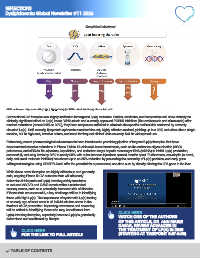
     ASO, antisense oligonucleotide; Lp(a), lipoprotein(a); siRNA, small interfering ribonucleic acid.

     Conventional CV therapies are largely ineffective for targeted Lp(a) reduction. Statins, ezetimibe, and bempedoic acid show virtually no
     clinically significant effect on Lp(a) levels. While niacin and currently approved PCSK9 inhibitors (like evolocumab and alirocumab) offer
     modest reductions (around 20% to 30%), they have not proven sufficient to eliminate the specific residual risk conferred by severely
     elevated Lp(a). Until recently, lipoprotein apheresis remained the only highly effective method, yielding up to a 68% reduction after a single
     session, but its high cost, invasive nature, and need for frequent clinical visits severely limit its widespread use.


     Fortunately, recent pharmacological advancements have introduced a promising pipeline of targeted Lp(a) therapies that have
     demonstrated massive reductions in Phase II trials. Nucleic acid-based treatments, such as the antisense oligonucleotide (ASO)
     pelacarsen, and siRNAs like olpasiran, lepodisiran, and zerlasiran target hepatic messenger RNA (mRNA) to inhibit Lp(a) production,
     successfully reducing levels by 80% to nearly 98% with subcutaneous injections spaced months apart. Furthermore, muvalaplin (a novel,
     daily oral small molecule inhibitor) has shown up to an 85% reduction by preventing the assembly of Lp(a) particles, and early gene
     editing technologies using CRISPR-Cas9 offer the potential for a permanent, one-time cure by directly altering the LPA gene in the liver.

     While these novel therapies are highly efficacious and generally
     safe, ongoing Phase III CV outcome trials will ultimately
     determine if this profound Lp(a) lowering safely translates
     to reduced ASCVD and CAVS events without unintended
     consequences, such as a potentially increased risk of diabetes.
     If these trials are successful, a key challenge will be in identifying
     those with high Lp(a). The importance of systematic Lp(a) testing
     at an early age at least once in all individuals has come to the
     forefront of CV prevention. Improving awareness and screening
     will be critical to identifying those who may benefit most from
     Lp(a)-lowering therapies, especially because Lp(a) is genetically   CLICK HERE
     determined and unaffected by lifestyle.                             WATCH ONE OF THE AUTHORS
                                                                         OF THIS ARTICLE, DR. ANN MARIE
                                                                         NAVAR, REVIEW ADVANCES IN
              CLICK HERE                                                 THE TREATMENT OF LP(A) IN 2025
              FOR THE LINK TO FULL ARTICLE                               (STARTING AT TIMEPOINT 5:57-8:00)


          TABLE OF CONTENTS

